

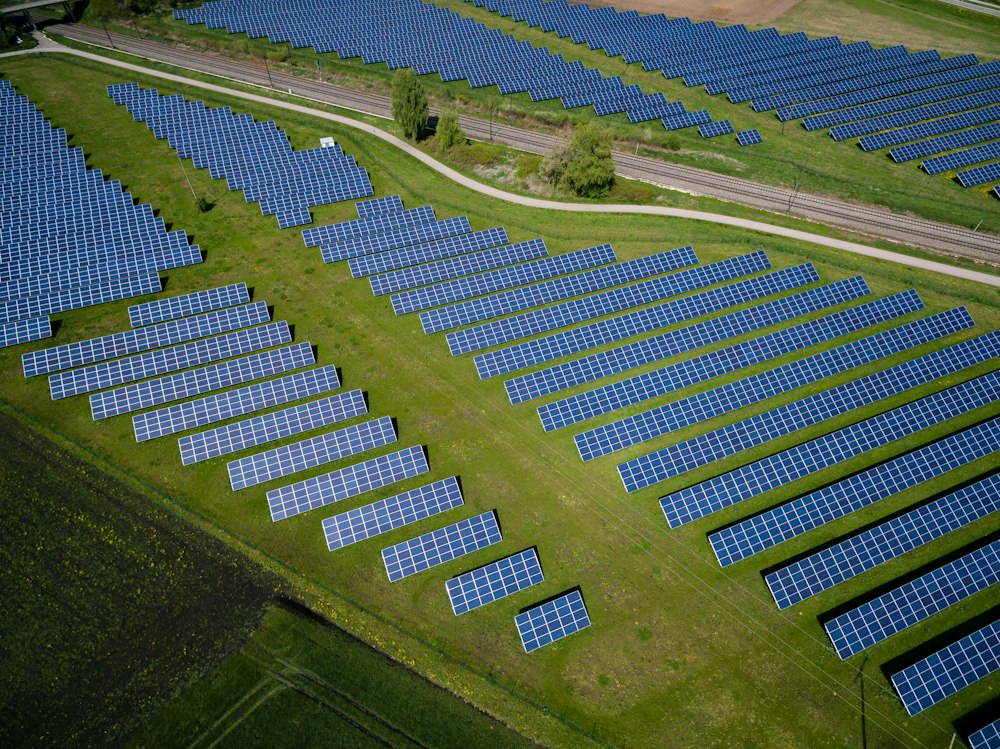
As a technology company, our biggest carbon footprint comes from our server infrastructure. Over the past year, we've focused on optimizing our workloads, shifting to renewable-powered data centers, and implementing aggressive edge caching to hit carbon neutrality.
1. The Hidden Cost of Cloud Computing
When you run a SaaS product scaling to millions of daily active users, the environmental impact of your compute power is immense. Every database query, every API request, and every gigabyte of bandwidth requires electricity.
In 2024, our internal audit revealed that our AWS and GCP infrastructure accounted for 85% of our total corporate carbon footprint. We realized that buying carbon offsets wasn't enough; we needed to structurally change how our application consumed resources.

2. Engineering for Sustainability
We launched an internal initiative called GreenOps, treating carbon efficiency with the same engineering rigor as latency or uptime. The primary strategies included:
• Graviton Migration: We migrated 90% of our stateless microservices to ARM-based processors, which consume up to 60% less energy for the same performance output.
• Aggressive Edge Caching: By heavily utilizing Cloudflare Workers, we intercepted and served 40% of API requests at the edge, preventing them from waking up origin servers.
• Cold Storage Archiving: We built automated jobs to move dormant tenant data to deep-archive storage tiers, significantly reducing active disk rotation.
3. The Results
The beauty of GreenOps is that carbon efficiency directly correlates with cost efficiency. The optimizations we made to save power also saved us millions in cloud spend.
"Sustainability isn't just about PR; it's a forcing function for extreme engineering efficiency." — Head of Infrastructure
4. 100% Carbon Neutral
After reducing our gross footprint by 42%, we partnered with Stripe Climate to direct the remaining 58% of our footprint towards high-quality, permanent carbon removal technologies (not just cheap forestry offsets). We are proud to announce that as of Q3 2026, Pegatto is entirely carbon-neutral.